
The Autumn "Wet Spot" Warning: How Blocked Drains and Leaky Pipes Invite Termites
May 11, 2026
Autumn is beautiful, but the cooler, wetter months bring a hidden danger that many homeowners overlook. Blocked drains in the Eastern Suburbs, VIC, slow-moving pipes, and small leaks might seem like minor inconveniences. But they can quietly turn your home into a magnet for one of Australia's most destructive pests: subterranean termites.
Why Autumn Is the Riskiest Season for Hidden Leaks
As April arrives, properties absorb more rainfall. Gutters get clogged, sub-floor spaces trap moisture, and pipes that have been quietly weeping all year finally create serious problems. The soil around your home becomes saturated, and that wet, dark environment is exactly what termites need to establish a colony before winter.Most homeowners focus on storm damage during this time. But it's the slow, invisible leaks that do the real damage. A dripping pipe under a laundry trough or a hairline crack in a stormwater line can keep the soil beneath your sub-floor damp for months without you ever knowing. Blocked drains make this problem significantly worse by preventing water from moving away from your home efficiently.
Can a Water Leak Cause Termites in My Home?
Yes, absolutely. A plumbing leak doesn't just waste water. It creates the exact conditions termites need to survive and expand their colony through winter.Termites have thin exoskeletons and must stay hydrated to survive. They are drawn to any source of consistent moisture, including leaky pipes and fittings that create damp conditions beneath your home. Even a small drip can sustain a thriving colony for months on end.
When termites detect damp soil, they build mud tubes to travel through it, protecting themselves from drying out. These mud tubes allow them to move from the moist ground into the timber carpentry of your walls, floors, and roof without ever being seen. The most common termite species found across Victoria is Coptotermes, which is responsible for more than 80% of the serious structural damage to homes in the state. These species actively seek out the moist, dark conditions that blocked drains and plumbing leaks create.
High-Risk Zones in Your Home
These areas are the most likely to hide a moisture problem that could attract termites:- Under-sink cabinets: Dripping tap fittings and worn pipe connections here often go unnoticed for months. The dark, enclosed space holds moisture perfectly.
- Laundry floors: Washing machine hose connections and floor drains frequently leak slowly. The water seeps into the sub-floor and saturates the soil below.
- External taps and garden connections: Tap fittings that drip near the house perimeter wet the soil directly against your foundation, creating a prime entry point for termites.
- Sub-floor drain pipes: Older clay or earthenware pipes beneath the house can crack and leak directly into the soil, remaining completely hidden until significant damage is done.
- Bathroom and toilet waste lines: A slow leak at a pan collar or pipe joint keeps timber floor carpentry permanently damp.
The Moisture Connection: How a Small Leak Feeds an Entire Colony
Here is the critical thing to understand: termites do not need a flooded sub-floor. A small, consistent leak is enough. The slow drip keeps the soil moist, the moist soil supports the colony, and the colony gradually moves towards your home's timber structure in search of food.Clogged drains combined with a leaking pipe is essentially an open invitation. The dark, poorly ventilated sub-floor provides shelter, and the moisture from even a minor plumbing fault can sustain an entire subterranean termite colony through the winter. By the time you notice a hollow sound in the floorboards or a bubbling wall, the damage is already done, and the repair bill can run into the tens of thousands of dollars.
This is why fixing a leak is not just about saving water. It's about protecting the entire structure of your home.
What Blocked Drains Have to Do With It
Most people don't connect clogged drains to termite risk, but the link is direct. When a drain is blocked, water backs up and seeks alternative paths. It can pool in unexpected places: under concrete slabs, against footings, or in the soil around your subfloor.Clogged drains in the Eastern Suburbs, VIC, are a known cause of prolonged soil saturation around homes, especially during the wetter autumn and winter months. A stormwater drain that is partially blocked by tree roots or debris will overflow with every rain event, constantly wetting the soil besides and under your home.
Clearing blocked drains regularly is one of the simplest and most cost-effective ways to reduce termite risk. A drain that flows freely takes water away from your home. A drain that doesn't flow becomes a slow-release moisture source directly besides your foundations. If you want to understand more about what causes this problem, our guide on blocked drains
explains the most common causes and what to do about them.
Proactive Detection: Book a Plumbing Health Check Before Winter
The good news is that plumbing problems, when caught early, are simple and affordable to fix. The bad news is that most leaks don't announce themselves. They hide behind walls, under floors, and in soil where you can't see them.Booking a plumbing health check before the winter months is one of the smartest things a homeowner can do. A licensed plumber can inspect your pipes, fittings, and drainage for slow leaks, cracks, and blockages that you would never find on your own. This is also the ideal time to address any clogged drains before the heavy winter rainfall arrives.
What a Plumbing Health Check Covers
A thorough inspection should include the following:- Checking all visible pipe connections under sinks, in laundries, and around hot water units for drips or corrosion.
- Testing drain flow rates in bathrooms, kitchens, and external drains to identify slow or blocked drains.
- Inspecting external taps and fittings for weeping connections near the home's perimeter.
- Assessing sub-floor drainage to check for signs of pooling or persistent damp.
- Identifying any pipe cracks or joint failures that may be allowing water into the soil undetected.
Sealing these leaks before winter removes the moisture source that termites rely on. It won't guarantee your property is pest-free, but it eliminates one of the biggest attractions. Combined with a professional termite inspection, a plumbing health check gives your home the best possible protection heading into the colder months.
Homeowners: Selling at High-Risk Properties
Dickson Plumbing Services is actively helping homeowners get their plumbing sorted before the winter peak. Properties in these areas often feature older pipe systems and sub-floor construction that can be particularly vulnerable to slow leaks and moisture build-up.If you haven't had your plumbing checked recently, now is the right time. Don't wait until you can see the damage. By then, it's almost always a much bigger and more expensive problem to fix.
Our team at Dickson Plumbing Services brings over 25 years of experience to every job. We are a family-owned business built on honesty, quality workmanship, and looking after our local community. We will call you 30 minutes before we arrive, so you are never left waiting around with blocked drains.
Book Your Autumn Plumbing Health Check Today
To book your plumbing health check and get ahead of any moisture issues this autumn, get in touch with our team today.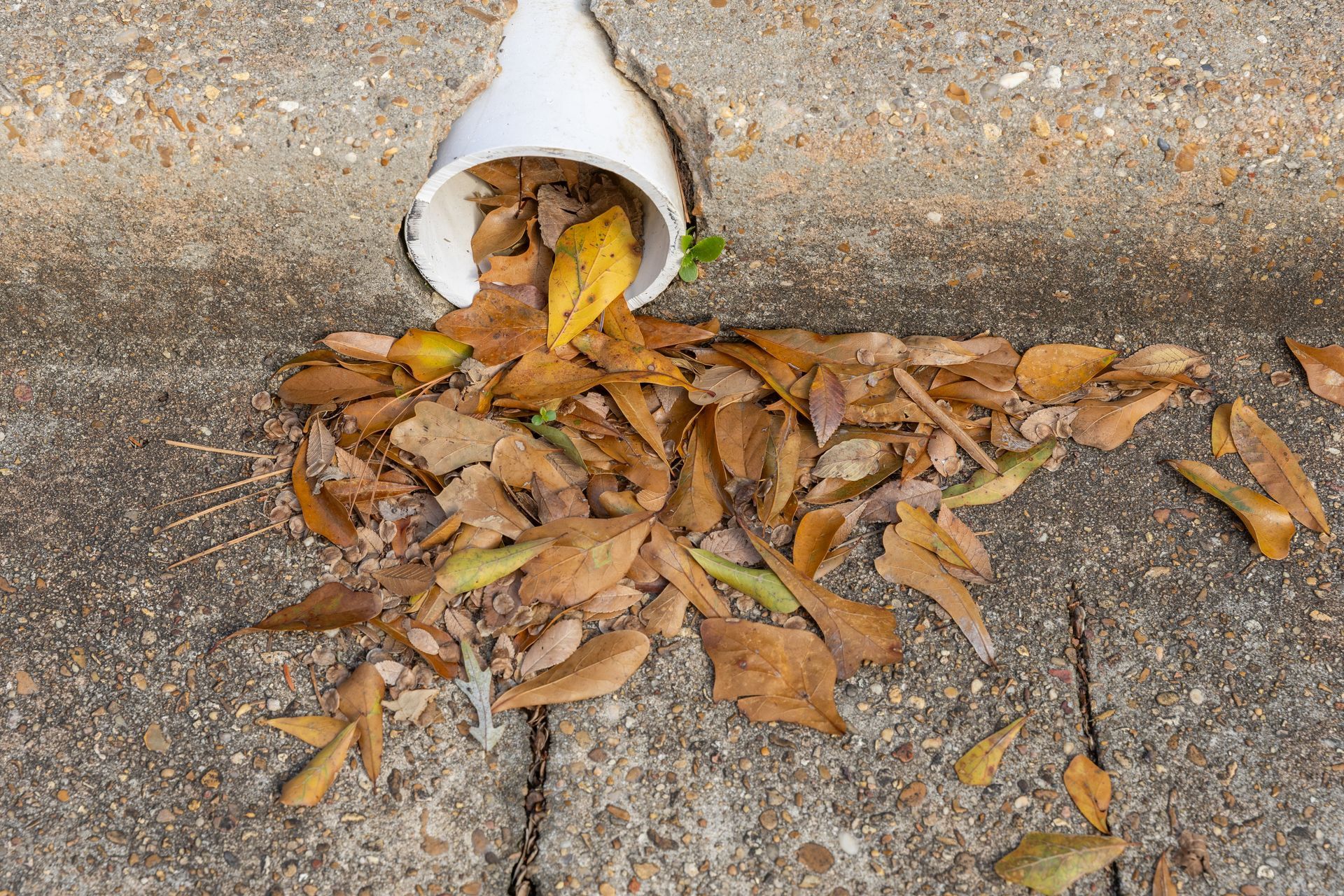
Signs You May Already Have a Hidden Leak
Keep an eye out for these warning signs around your home:- An unexpectedly high water bill with no obvious explanation.
- Soft or spongy floorboards, particularly in bathrooms or laundries.
- A musty or damp smell in enclosed spaces like cupboards or sub-floor vents.
- Visible mud tubes on pipes, brickwork, or timber carpentry.
- Hollow-sounding timber when you knock on walls or floors.
- Slow-draining sinks, showers, or toilets that worsen over time.
- Gurgling sounds from pipes after water has finished draining.
Any one of these signs is worth investigating. Two or more together should prompt an immediate call to your plumber.
Act Now: Protect Your Home This Autumn!
The connection between leaky pipes and termite infestations is real, and the wet autumn season is the highest-risk time of year. Whether you have a dripping tap, blocked drains, or a hunch that something isn't quite right with your plumbing, now is the time to act.Explore our full range of plumbing services
and see how Dickson Plumbing Services can help you protect your home from the inside out. Or pick up the phone and call the team directly on 0410 627 567
. We are here Monday to Friday, 7:00 am to 5:00 pm, ready to help.
Don't let a small leak become a very big problem this winter.

Spot the signs of a blocked drain in your home. Dickson Plumbing Services provides expert plumber solutions for Ringwood homes. Call for a quote.
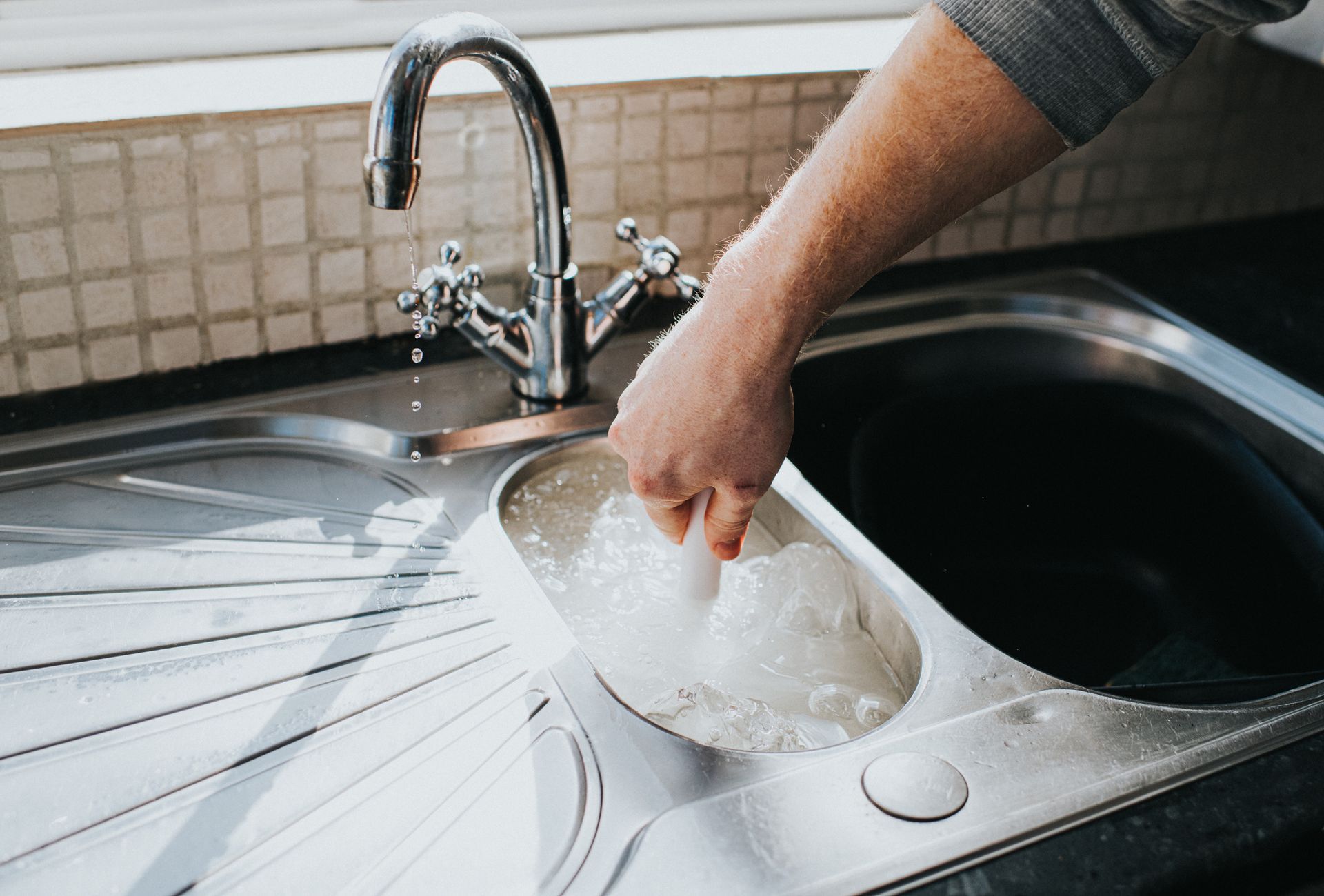
Keep your drains healthy with Dickson Plumbing Services’ blocked drain clearing in the Eastern Suburbs. Call 0410 627 567 or click here to learn more.
Struggling with blocked drains in Eastern Suburbs, AU? Dickson Plumbing Services offers expert solutions. Call 0410 627 567 for fast, reliable service today!